There’s a moment on most Garden Route drives when hunger arrives quietly.
Not the kind that calls for a long, formal meal. Not the kind that needs reservations or white tablecloths. Just the feeling that it would be good to stop somewhere, stretch your legs, eat something fresh, and reset before continuing the journey.
Wilderness has always been that kind of place. Positioned between destinations, it invites pauses rather than plans. And increasingly, travellers are looking for something different from the traditional restaurant experience.
They want flexibility. Freshness. Choice.
Sometimes they want oysters and bubbly.
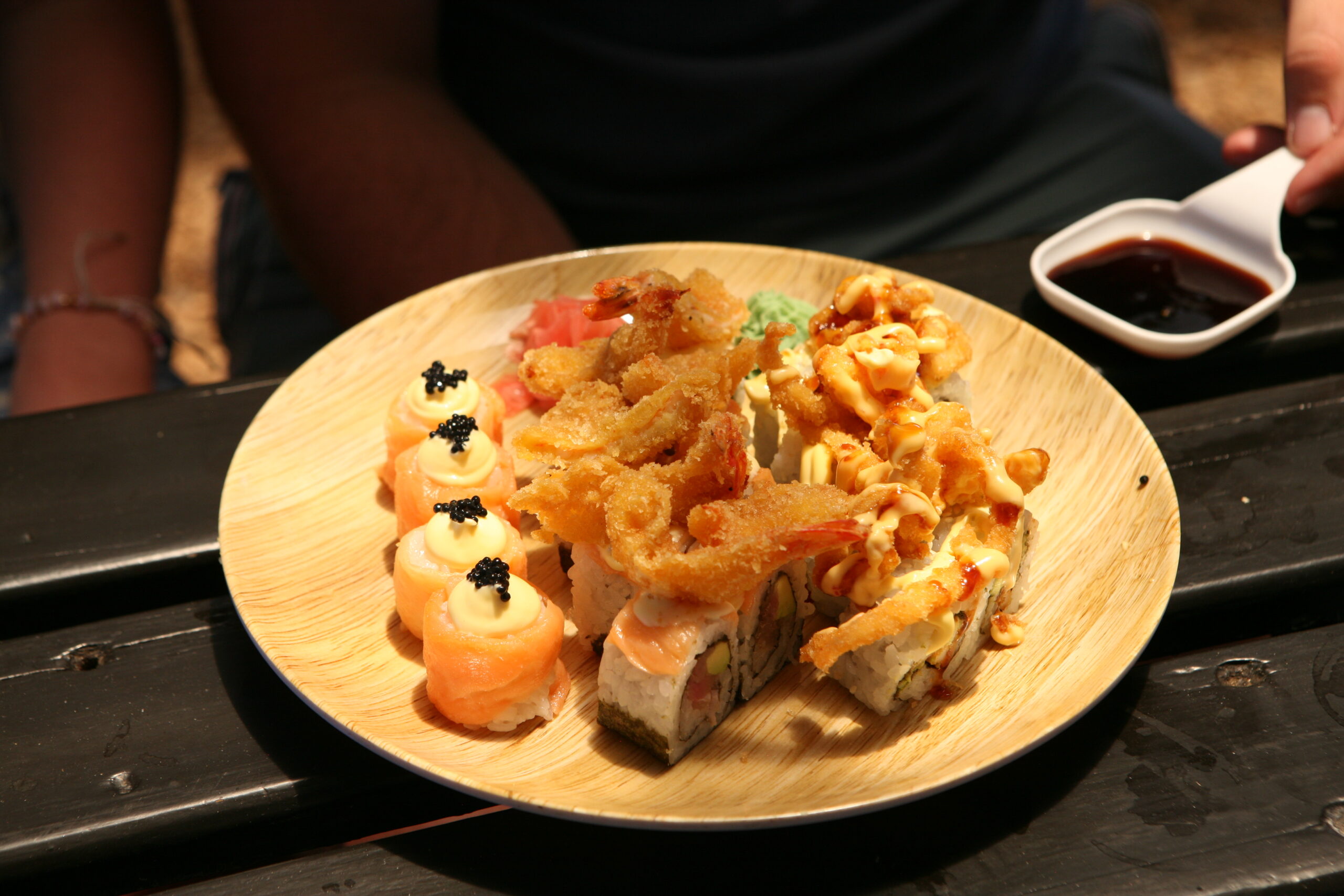
Sometimes sushi.
Sometimes a picnic is assembled on the spot and eaten by the lagoon or on the beach.
A modern Wilderness restaurant isn’t only about sitting down for dinner anymore. It’s about meeting people where they are in the day.
The Way People Eat While Travelling Has Changed
Travel used to revolve around fixed meal times, lunch at one, dinner at seven. Today, especially along coastal routes, eating has become more fluid.
You might finish a hike mid-morning and want something light. You might arrive in town between meals. You might prefer grazing over committing to a full menu.
The best food stops understand this rhythm.
They offer options that match the pace of travel rather than interrupt it.
In a place like Wilderness, where the landscape encourages exploration, flexibility matters. A good stop should work whether you have twenty minutes or two hours.
Not Every Wilderness Restaurant Needs to Be Formal
There’s something refreshing about a restaurant that doesn’t ask you to change who you are when you walk in.
You can arrive sandy from the beach.
Still wearing hiking shoes.
Halfway through a road trip.
The atmosphere is relaxed because the focus isn’t on the ceremony, it’s on freshness.
You might sit down at a table, or you might order something to take with you. The experience adapts to you, not the other way around.
That’s increasingly what travellers look for when searching for a Wilderness restaurant: somewhere authentic, easy, and genuinely connected to its surroundings.
The Oyster Experience: A Taste of the Coast
Oysters remain at the heart of coastal dining for a reason. Few foods reflect place as directly as something pulled from cold ocean water and served moments after opening.
The ritual is simple but memorable.
A shell opened carefully.
A squeeze of lemon, if you choose.
A sip of something crisp alongside it.
Oysters slow people down. Even travellers in a hurry tend to pause when a freshly shucked oyster arrives in front of them.
They’re not just food, they’re a reminder of where you are: near the ocean, breathing salt air, somewhere along the Garden Route where freshness still matters.
If you’re new to oysters, Read more here.
Fresh Sushi on the Coast
It might surprise some visitors to find sushi in a small coastal town, but it makes perfect sense.
Sushi, like oysters, relies entirely on freshness and careful handling. Done well, it feels light, clean, and satisfying without weighing you down, ideal for warm coastal days or long drives.
A fresh sushi bar adds another layer to the experience of eating in Wilderness. It gives travellers an option that feels contemporary while still aligned with the sea-focused identity of the region.
Some guests arrive craving oysters but leave talking about the sushi. Others mix both, turning a quick stop into a relaxed tasting experience.
The common thread isn’t the menu category, it’s freshness.
Picnic-Style Dining: Eating Beyond the Table
One of the quiet pleasures of Wilderness is how many beautiful places exist just minutes apart.
The lagoon.
Hidden beach access points.
Forest clearings.
Scenic viewpoints along the N2.
Not every meal needs to happen inside a restaurant.
Deli-style offerings make it possible to build your own picnic, something spontaneous and personal. A selection of fresh foods, easy to pack and even easier to enjoy somewhere outdoors, often becomes part of the travel story itself.
You pick what appeals to you in the moment. Maybe something light and fresh. Maybe something indulgent. Then you take it with you and let the setting complete the experience.
In many ways, this style of dining feels perfectly suited to Wilderness: informal, flexible, and connected to nature.
Choosing Food for the Day You’re Having
The beauty of a diverse food stop is that it matches different moods.
Some days call for:
- oysters and a glass of bubbly,
- a slow pause before continuing the drive.
Other days call for:
- sushi shared casually,
- something light before heading back to the beach.
And sometimes it’s simply:
- deli foods packed into a picnic,
- eaten barefoot somewhere overlooking the water.
A good Wilderness restaurant recognises that travellers don’t always want the same experience, even within the same visit.
Choice becomes part of hospitality.
Why Roadside Stops Become Traditions
Ask frequent Garden Route travellers about their favourite stops, and you’ll rarely hear them describe elaborate dining rooms.
Instead, they talk about places that feel consistent. Places where the food is reliable, the welcome genuine, and the experience easy.
Over time, these stops become rituals.
You plan your drive around them.
You recommend them to friends.
You measure distance by how far you are from your next visit.
That’s the quiet power of a well-loved food stop in Wilderness. It becomes less about a single meal and more about a familiar pause along the journey.
A Different Kind of Restaurant Experience
The idea of a restaurant is evolving.
It’s no longer only about courses and schedules. It can be a tasting, a takeaway, a picnic, or a brief but memorable stop between destinations.
In Wilderness, where nature sets the pace, that flexibility feels natural.
You arrive hungry but without a plan.
You leave refreshed, carrying the taste of something fresh with you, whether it was an oyster, a piece of sushi, or a picnic enjoyed somewhere nearby.
And often, that unplanned stop becomes one of the most memorable parts of the trip.