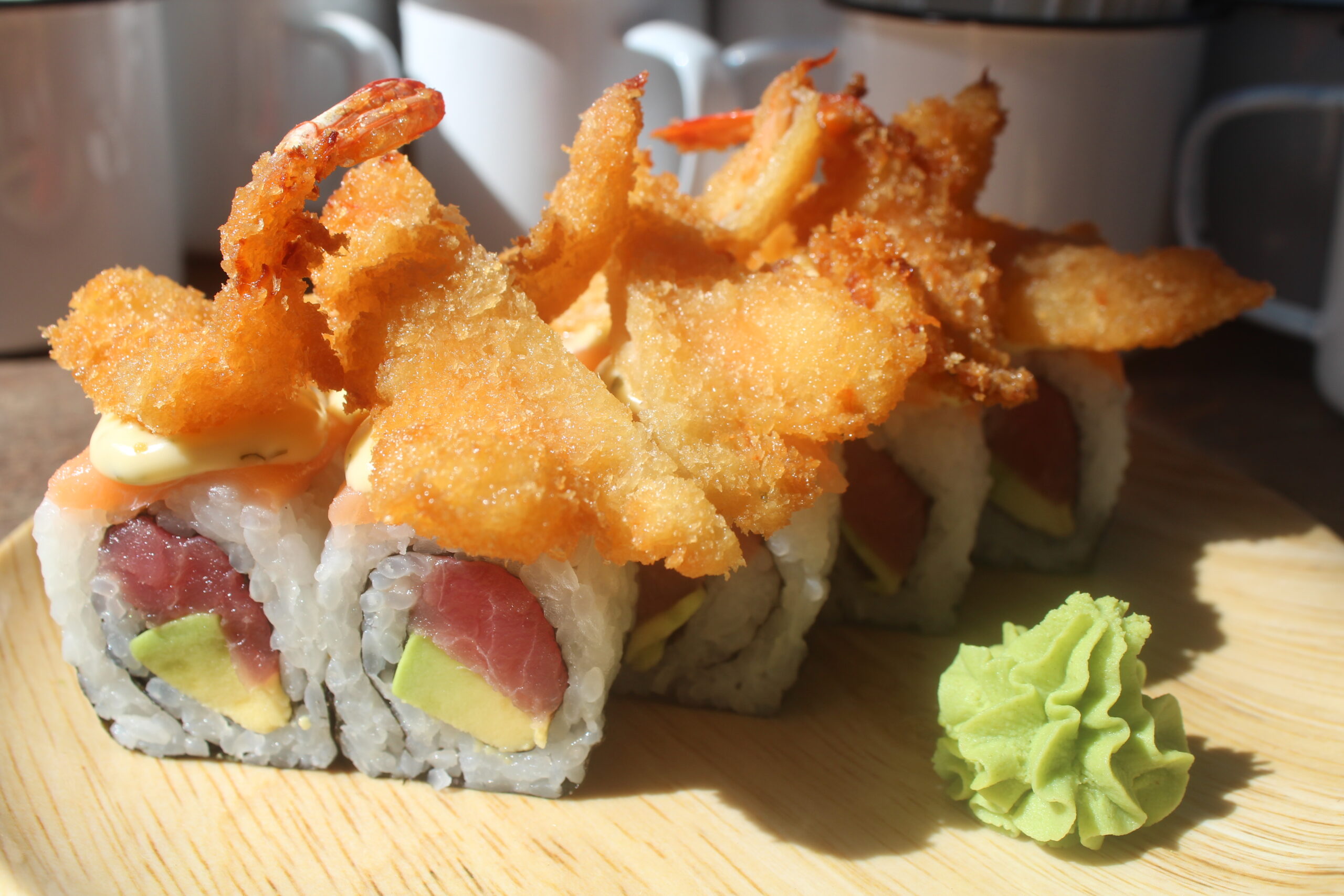
Many people wonder about something when they order seafood, especially oysters or sushi, but don’t always say it out loud.
Is this really fresh?
It’s a fair question. Raw or lightly prepared foods rely on careful handling and timing. When prepared well, they are some of the cleanest, safest, and most enjoyable foods. If not, the experience can be disappointing or even unpleasant.
The good news is that freshness isn’t a mystery. There are clear signs and small details you can notice to tell if seafood has been handled well before it reaches your plate.
Knowing these signs can change how you enjoy a meal. It helps you feel more confident and trust what you’re eating.
Along the coast, where the ocean is close by, freshness is at the heart of every meal.
Why Freshness Matters More Near the Ocean
Coastal towns like Wilderness have an advantage with seafood. Because the ocean is nearby, seafood gets from the water to the table faster and stays in better condition than it might inland.
However, being close to the ocean doesn’t always mean the seafood is high quality.
Fresh seafood depends on three things:
- consistent cold temperatures,
- careful storage,
- and minimal unnecessary handling.
Whether it’s oysters in tanks or fish for sushi, the goal is to keep the seafood as fresh as it was when it left the water.
Freshness isn’t complicated. It just takes care and attention.
The Truth About Raw Foods
Oysters and sushi are often mentioned together because both are served raw or lightly prepared. Many people don’t realise they follow similar safety rules.
Both rely on:
- strict temperature control,
- rapid turnover,
- and knowledgeable preparation.
When these standards are followed, raw seafood isn’t automatically risky. Good restaurants use food safety systems made for these foods.
The difference between feeling unsure and enjoying your meal often comes from trusting that the people making your food know what they’re doing.
What Fresh Oysters Should Look (and Smell) Like
Oysters are actually easy to judge for freshness once you know the signs.
A fresh oyster should:
- smell like clean ocean air, never fishy,
- sit in clear liquid (called liquor) inside the shell,
- appear plump and moist,
- remain firmly attached to the shell until shucked.
The ocean scent is the most important clue. If an oyster smells too strong or unpleasant, that’s a clear warning.
Oysters that are stored properly stay alive until they’re prepared. That’s why good restaurants handle them with care and only serve them fresh..
For a closer look at oyster care and storage, click here.
How Sushi Freshness Reveals Itself
Fresh sushi doesn’t need heavy sauces or extras. Its quality is clear in its simple presentation.
There are a few subtle indicators guests can notice immediately:
Appearance
Fish should look vibrant and clean, never dull or dry around the edges.
Texture
Fresh fish feels smooth and structured, not mushy.
Temperature
Sushi should be cool, not icy cold. If it’s too cold, the flavour is dull, and it may mean the chef is trying to cover something up.
Smell
Like oysters, fresh sushi has a clean, mild smell. Strong odours are always a bad sign.
In a good sushi bar, chefs prepare sushi in small batches throughout the day, not in large amounts that sit out for a long time.
Freshness is something that’s maintained all the time, not just once.
What Happens Behind the Scenes at Good Restaurants
A lot of the work that keeps seafood safe happens behind the scenes, where guests can’t see it.
Behind the scenes, responsible kitchens focus on consistency:
- monitoring refrigeration temperatures daily,
- separating raw products correctly,
- maintaining clean preparation areas,
- rotating stock carefully,
- sourcing from trusted suppliers.
These steps might not seem exciting, but they let guests relax and enjoy their food without worrying.
In a good Wilderness restaurant, freshness starts long before the meal. It begins with careful sourcing and storage, sometimes hours or days ahead, to protect delicate ingredients.
Signs You’re in a Restaurant That Cares About Freshness
Even if you can’t see the kitchen, you can still notice signs of freshness.
Look for places where:
- staff confidently answer questions about sourcing,
- preparation is visible or transparent,
- menus focus on quality rather than overwhelming variety,
- turnover appears steady,
- food tastes clean and balanced rather than masked by heavy seasoning.
Confidence and simplicity usually go hand in hand. Restaurants that focus on freshness don’t need to cover up their ingredients with complicated dishes.
Why Fresh Food Feels Different
Many people notice that they feel lighter after eating fresh seafood than after heavier meals.
That isn’t accidental.
Fresh ingredients need less processing. They’re easier to digest, taste great on their own, and are satisfying without being too rich.
Along the Garden Route, where people spend days walking, swimming, or travelling, this way of eating fits right in with the local lifestyle.
A plate of oysters, fresh sushi, or a light deli meal adds to your day instead of making you feel sluggish.
Trust Comes From Transparency
Trust might be the most important part of any dining experience.
When guests can see how food is handled, tanks are well maintained, sushi is made to order, and ingredients are treated with care, any hesitation goes away.
Transparency builds confidence.
You start to see that freshness isn’t just luck. It comes from knowledge, routine, and respect for the ingredients.
Once you know what to look for, picking a place to eat gets much easier.
Freshness Is a Philosophy, Not a Trend
Fresh seafood isn’t something new. Coastal communities have depended on it for generations. What’s different now is that diners want to know more about how their food is prepared.
People today are curious. They want to know where their food comes from, how it’s handled, and why some flavours stand out.
That curiosity is a good thing.
When diners understand the importance of freshness, they look for restaurants that prioritise quality over convenience. These are places where oysters are opened with care, sushi is made with attention, and every detail shows respect for the ocean.
In a town like Wilderness, where nature and the sea are all around, this approach feels natural, not a luxury, but simply the right way to do things.