South Africa has a rich oyster history, and for decades, one name stood out: Knysna. Known as the “Oyster Capital of South Africa,” Knysna’s estuary was once a bustling hub of oyster farming and a must-visit spot for seafood lovers. But over time, the glory faded. Today, the oyster industry thrives elsewhere, particularly along the West Coast. In this post, we explore what happened to Knysna, why we source oysters from the West Coast, and what this means for lovers of fresh, responsibly farmed oysters.
Knysna: A Legacy in Decline
In the mid-20th century, Knysna was the go-to destination for oysters. The estuary, tucked between verdant forests and rolling hills, offered sheltered waters perfect for oyster cultivation. Farmers built intricate mesh racks, known as poches, to nurture oysters from spat to plump, market-ready gems. This combination of environment and innovation earned Knysna its reputation.
But over time, cracks began to show. The very waters that once nourished oysters became a source of worry. Decades of urban growth, increased tourism, and aging infrastructure took their toll. Reports from SANParks and scientific monitoring revealed that sewage overflows, nutrient pollution, and stormwater runoff increasingly compromised water quality in the estuary. Some areas, especially the Ashmead Channel and northeastern shores, were found to contain high E. coli levels, evidence of raw sewage entering the water. (sanparks.org; knysnabasinproject.co.za)
This contamination wasn’t minor. Water-quality studies show nutrient enrichment that fueled algal blooms and sea lettuce mats, which altered the estuary’s ecosystem, making it harder for oysters and other filter-feeders to thrive. (saiab.ac.za)
Local lore paints a vivid picture: some say a “sewage disaster” turned the lagoon into a risky environment for oysters. While this simplifies decades of ecological challenges, it aligns with documented sewage spills and consistently high microbial contamination in certain areas. (iol.co.za)
Regulatory Decisions and Permit Loss
By 2014, authorities made a decisive move: commercial oyster-farming permits were no longer renewed. Environmental risk assessments weighed heavily in this decision, citing potential long-term impacts on the estuary’s fragile ecosystem. Even though water-quality levels were sometimes below critical thresholds, the ongoing risk of pollution, combined with habitat degradation, tipped the scales. (knysnaplettherald.com)
The result? Knysna’s once-celebrated oyster industry effectively ended. Today, while small-scale wild harvesting continues, there is no large-scale commercial oyster production. Visitors can still enjoy oysters in local restaurants, but the lagoon is no longer a reliable or sustainable source.
Urban Growth and Environmental Pressures
Knysna’s decline wasn’t just about sewage. The estuary faces pressure from rapid urban development, informal settlements, and stormwater runoff. According to the Knysna Municipality’s Integrated Strategic Development Framework, these factors contribute significant nutrient loads, which, over time, disrupt the estuary’s ecological balance. (knysna.gov.za)
These changes aren’t visible from a casual boat ride or a sunset view, but they affect the water chemistry, oyster health, and the wider ecosystem. It’s a stark reminder that thriving natural systems require both care and restraint.
Why the West Coast Became the New Powerhouse of South African Oysters
If Knysna was the birthplace, the West Coast is the modern engine of the oyster industry.
The difference comes down to one simple factor: superior natural conditions.
1. The Benguela Current
Running along the West Coast is the Benguela upwelling system, one of the most nutrient-rich ocean currents in the world. It delivers cold, oxygenated water packed with the plankton oysters feed on.
This leads to:
- stronger shell development
- plumper meats
- cleaner, brinier flavour
- faster recovery after harvesting stress
- consistently high-quality batches
2. Cleaner, More Stable Water
Because the farming happens in open-coast systems rather than lagoons or estuaries, the water quality is far more predictable and easier to monitor. For farmers and suppliers, this consistency is everything.
3. Ideal Temperature Ranges
Oysters prefer cold water, it makes their flesh firmer and their flavour cleaner. The West Coast’s low temperatures allow oysters to grow slower and develop a fuller, more refined taste profile.
4. Sustainable Scalability
The coastal shelf and inlets are well-suited for farming infrastructure, allowing suppliers to grow enough to service the entire country without compromising quality standards.
For these reasons, and many more, the West Coast has become the dominant source of oysters in South Africa.
A New Oyster Chapter for the Garden Route
The Garden Route is no longer home to oyster farms, but it is home to incredible oyster experiences. That’s where we come in.
By bringing in the best oysters from the West Coast and preparing them with absolute freshness, we’re continuing the tradition in a way that honours the history while embracing what works today.
Visitors still get what they are looking for:
A story, a coastline, a view, and an unforgettable oyster.
Lessons from Knysna
Knysna’s story is more than a cautionary tale; it’s a lesson in balance and respect for the environment. It shows how quickly a prized resource can decline when ecological, infrastructural, and regulatory factors collide. For us at Oysters R Us, it reinforces the importance of:
- Choosing sustainable, reliable sources
- Supporting farms that prioritise environmental stewardship
- Educating customers about where their oysters come from
At the same time, we honor Knysna’s legacy. Its history, the mesh “poches” that still lie under the lagoon’s waters, and the generations of oyster pioneers are part of South Africa’s culinary story, a story that still tastes in every bite of a freshly shucked oyster.
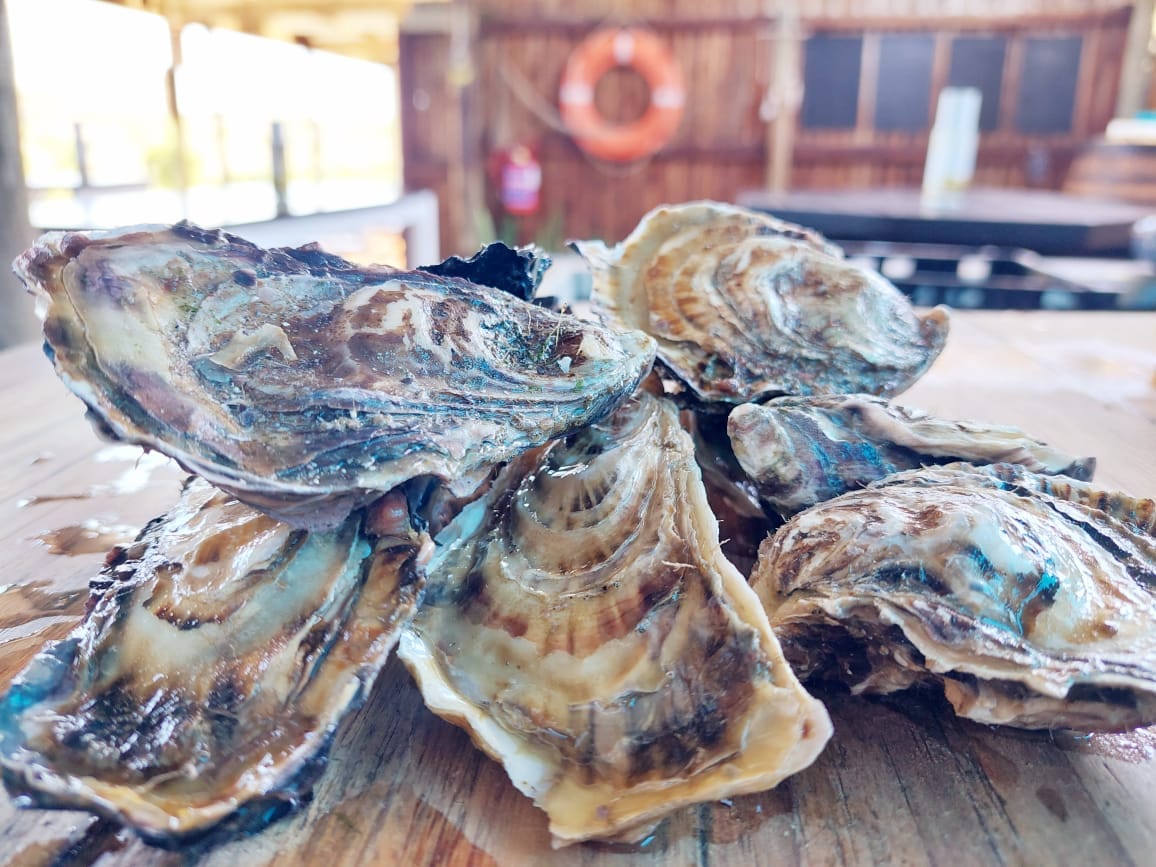
The Takeaway for Oyster Lovers
If you’re an oyster enthusiast, here’s what to keep in mind:
- Freshness Matters: Source matters. West Coast oysters offer a dependable, high-quality experience.
- Story Behind the Shuck: Every oyster has a journey, from farm to plate. Ask about it!
- Respect the Ecosystem: Oysters are indicators of environmental health. Supporting sustainable farming supports our oceans.
Knysna may no longer produce commercial oysters at scale, but its legacy endures, reminding us why sourcing responsibly is key and why the West Coast is home to some of the best oysters in the country.
Join Us on the Half-Shell Life
At Oysters R Us, we celebrate history, quality, and experience. From our West Coast-sourced oysters to carefully curated wines and toppings, every tasting is a story in itself. Whether you’re curious about the rise and fall of Knysna’s oyster industry or just in it for the flavours, we promise an unforgettable experience.
Because in the end, it’s not just about oysters, it’s about the story, the water, and the people behind every shuck.